
Happy Women’s History Month! Every March, the world acknowledges and celebrates the contributions made by women across the globe. From blazing their own trails to empowering communities, women have continued to push culture forward.
Whether it’s music, sport or politics, women continue to rise and set a shining example for others to follow. Mixcloud was certainly built thanks in part to the musical contributions of women across genres, sounds and moods. We remain incredibly grateful.
As the safeguarding of women retains incredible importance, many women-led organisations have taken on the mission of making the music industry a better place. Whether they’re creating community spaces or empowering future musicians and producers, they stand at the vanguard of equality and fairness.
We want to pay it forward and acknowledge some of the brilliant platforms and brands that are leveling the playing field for women. Read on for some of today’s major players.
Contents
Future Female Sounds
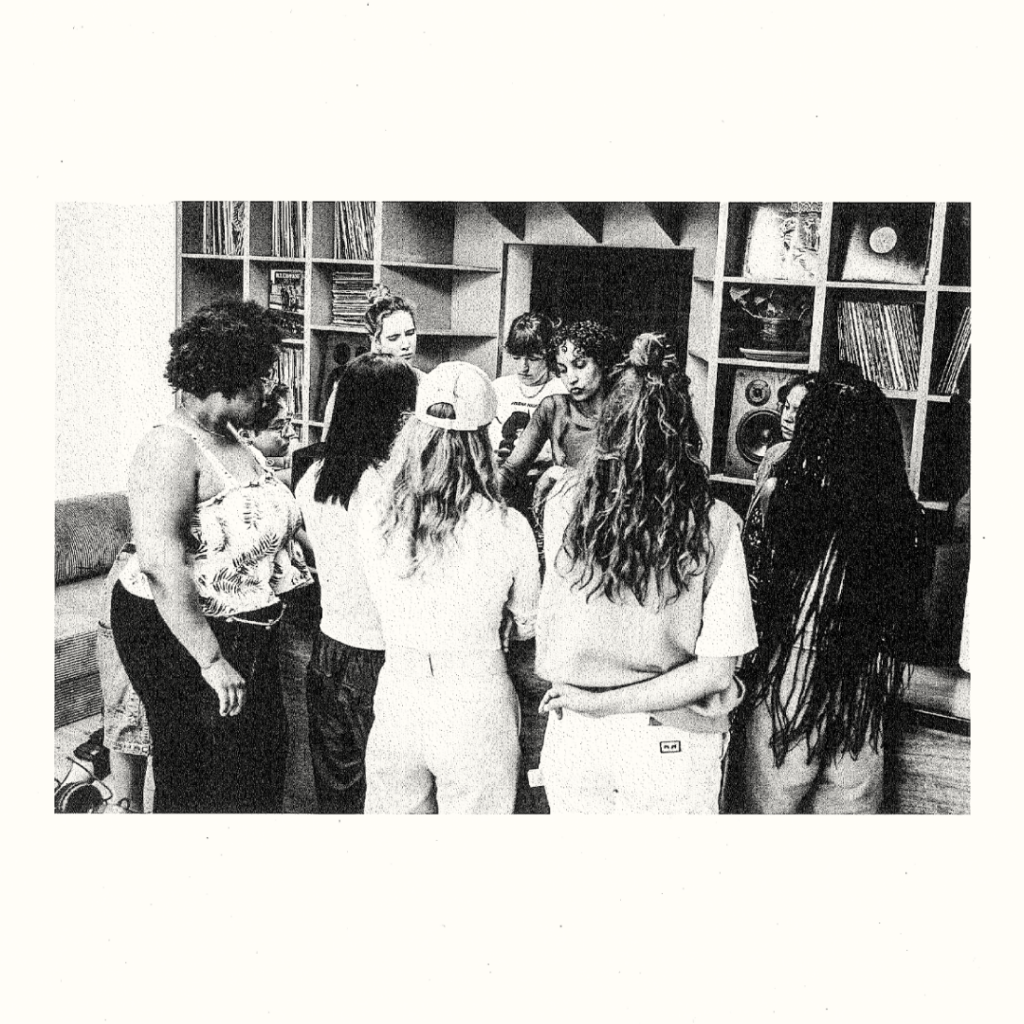
Established in Copenhagen in 2017, Future Female Sounds is an award-winning non-profit organization and global community. It represents 14,000 female and gender expansive DJs. At its core, it supports these groups in their journeys through the industry. It does this by putting together DJ workshops, online training, events, activations and global partnerships. Their partners include Pioneer DJ (AlphaTheta), Beatport, Technics, the United Nations and many more.
“We’re on a mission to make DJ culture accessible to girls, women and gender minorities globally,” the crew tells Mixcloud. “The aim is to create opportunities and highlight underrepresented talent, opening the doors to the music industry.”
The impact of Future Female Sounds has been felt for years now. By successfully training over 2500 new talents across over 30 countries, the organisation continues to significantly put women first. On top of transforming the electronic music landscape in its entirety.
2% Rising
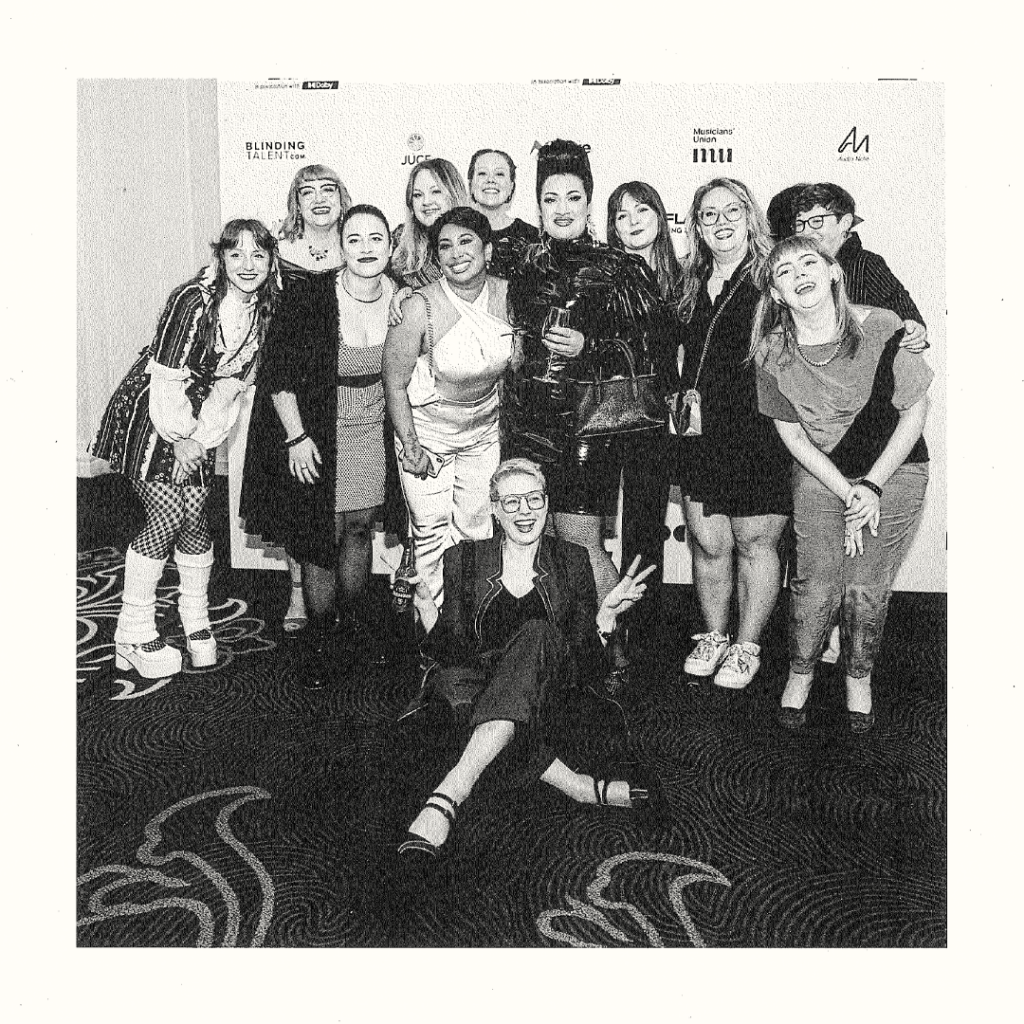
London-based 2% Rising is an online community for women and gender expansive people who produce and engineer music. It was founded by producer Rookes and mastering engineer Katie Tavini. They’ve combined their expertise in both areas to open up opportunities for budding musicians. 2% Rising arranges regular in-person events, such as writing camps, mix feedback sessions and socials. Meanwhile, it regularly caters to them online via its expansive Facebook group, where advice and other gems are shared,
“The community is a safe space where members can ask questions, collaborate and share work opportunities,” Katie and Rookes tell us. “Since starting in 2020 we’ve run over 50 events, a mix of digital and in-person. Our members have collaborated on over 100 songs and we have 1.4k community members from all around the world.” Still very much on the rise, 2% Rising serves a field that many don’t speak about. Thus, giving women the confidence to become the next great producers and engineers of the global music scene.
Ladies Music Pub
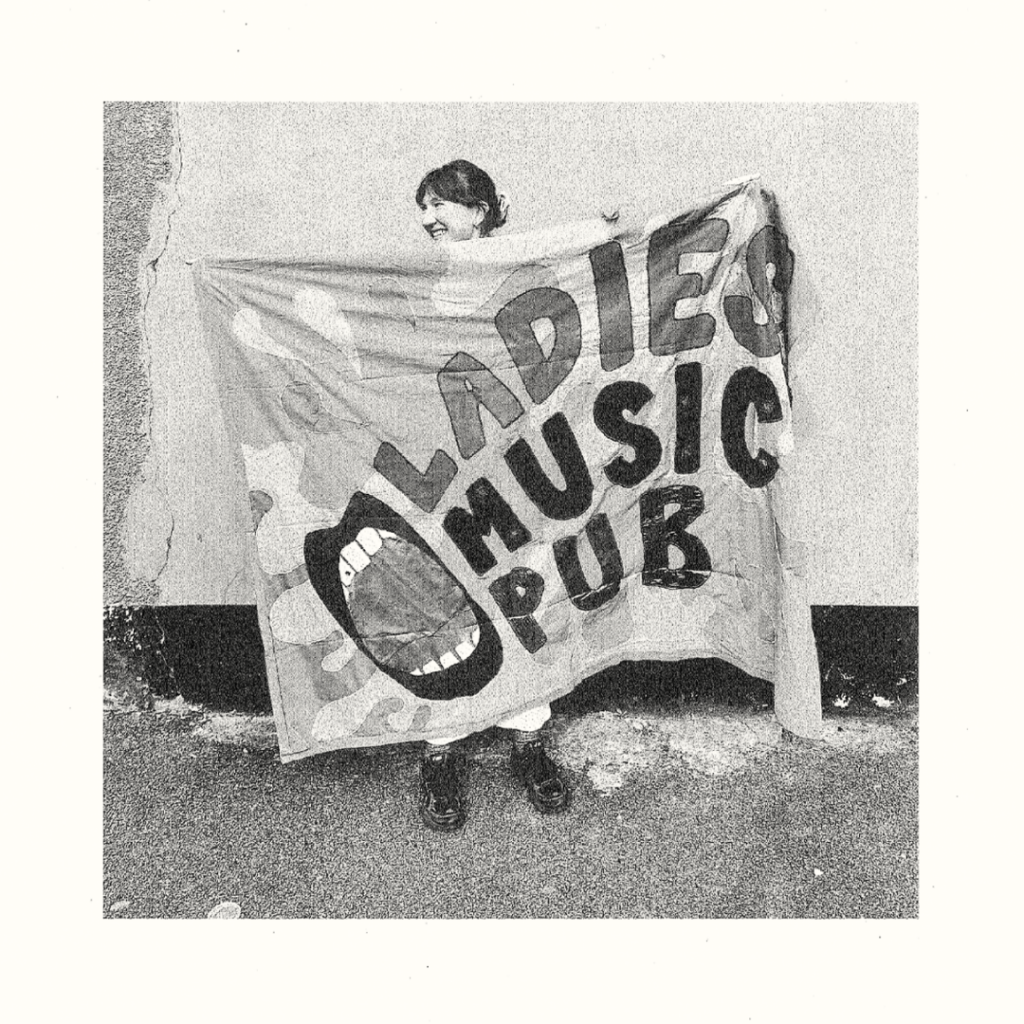
Ladies Music Pub is a community-driven organisation supporting women, FLINTA* and gender diverse people working in the music industry. Wearing many hats, they provide crucial support and guidance at all levels of the creative journey. “Our mission is to support and celebrate our community through safe and inclusive spaces,” says Marina GB, one third of Ladies Music Pub. “We provide advocacy, mentorship and creative opportunities that empower members to reach their full potential. Both as artists and industry leaders.”
Ladies Music Pub has worked with a diverse range of artists. Names include TYSON, Josey Rebelle, Hinako Omori and many more across events, radio, artist management and music releases. They also support other causes and organisations such as Black Lives In Music and Women in CTRL. They’ve even spoken to BBC News about misogyny in the music industry. With a large and growing cohort of staff and volunteers, Ladies Music Pub is growing stronger in its mission to empower its community to reach their potential.
Body Language
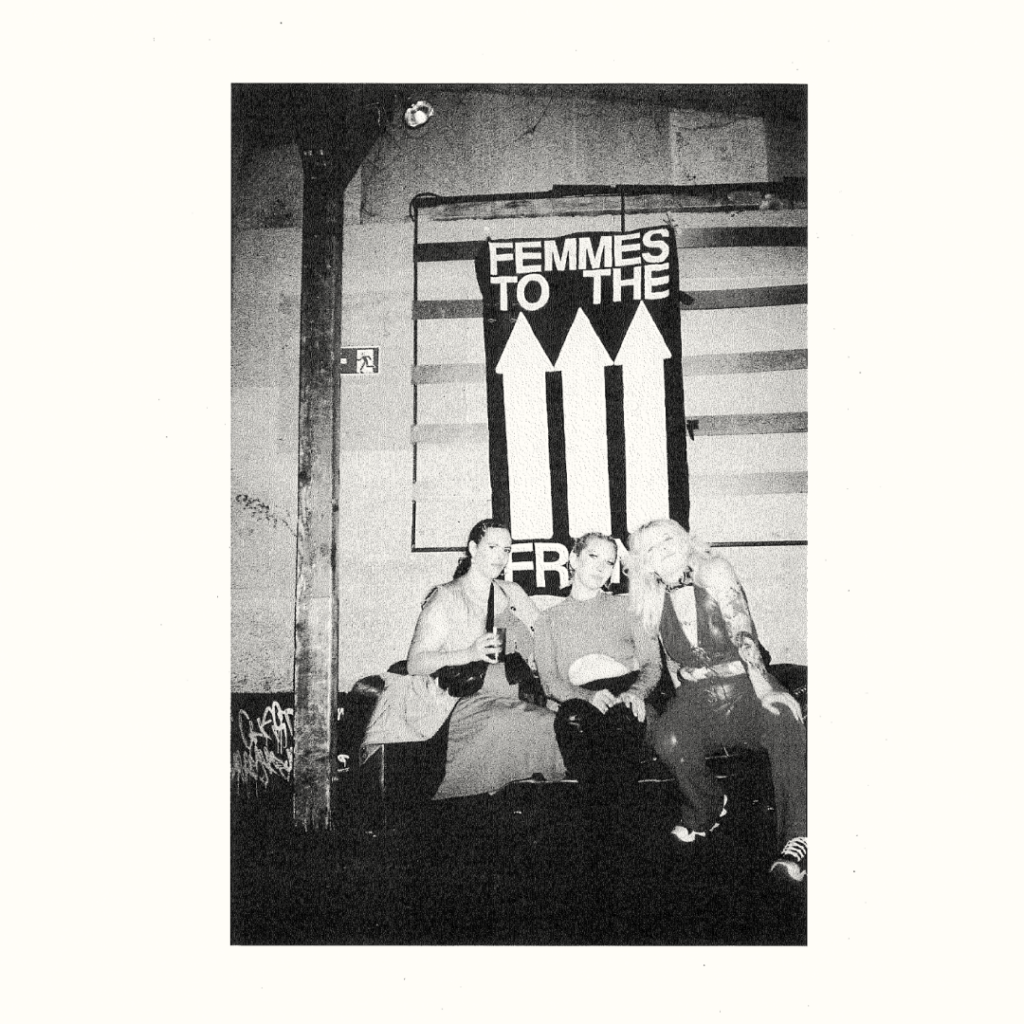
Body Language is a Berlin gem. A queer and femme-focused collective, party and label, it was launched in late 2021 by Caitlin Russell, Camilla Lutz and Stella Zekri. They are three passionate ravers, dancers, artists and community organisers who met on the dance floors of Berlin and whose bond has grown ever since. First and foremost, Body Language aims to bring care back to nightlife. Care for the communities that party. For the incredible music presented and the artists, guests and staff that bring it to life.
“Our goal is to create a party that goes back to the basics: music, dancing and community,” the Body Language crew tells Mixcloud. “We want to make you feel good. Emotional connection, musical curiosity, body positivity and carving out space for those who have felt left behind by traditional nightlife are at the core of what we do.”
Body Language represents more than just a party. Not only is it an example of the foundations of nightlife, its parties also give back. “Every party serves as a fundraiser to give back to the community and provide mutual aid to causes close to our hearts,” they continue. “We are determined to have a real, tangible contribution to our community at every party. We donate €2 per guest towards gender affirming surgery fundraisers for trans folk, community organisations working with marginalised communities in Berlin, refugee groups (direct aid and organisations) and solidarity fundraisers for Palestine, Sudan, Ukraine and more.”
Musically and politically guided, Body Language is making a real impact on the ground in Berlin. Thus, helping the city preserve its status as a world leader of nightlife.
shesaid.so
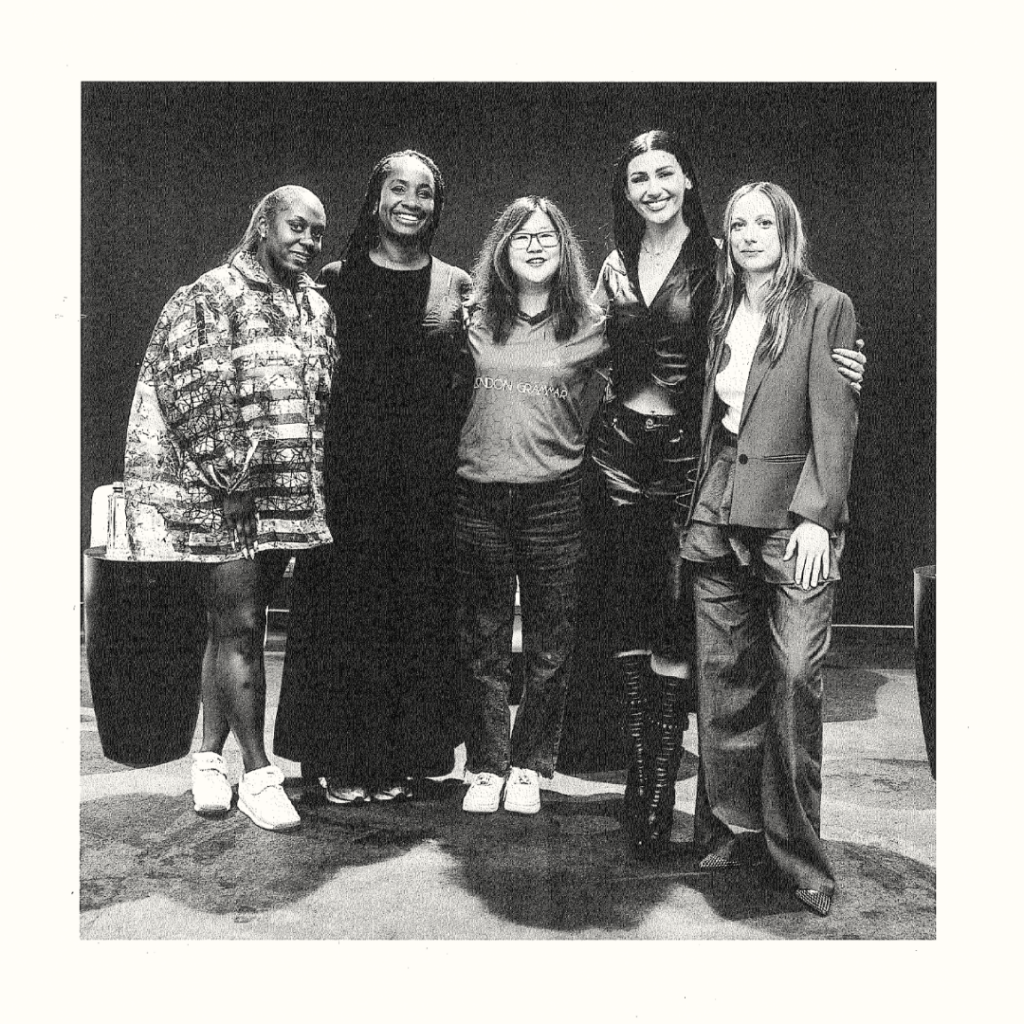
Founded as a passion project by Mixcloud’s very first Community Manager, Andreea Magdalina, in 2014, shesaid.so has blossomed to become one of the music industry’s most prominent entities. Cultivating a global community of music artists, creatives and executives centred around diverse voices and ethical practices in the music industry, it helps unlock the industry through education and curated programmes that create meaningful opportunities for networking, employment and more.
Taking its mission to inform and teach to the nth degree, shesaid.so produces editorial content spearheaded by its community, hosts events where members can learn from one another IRL and run mentoring programmes that open doors to industry access and career development. This has led to partnerships with the likes of YouTube Music, TikTok, Universal Music Group and Vans. 12 years in, the organisation is just getting started.
“shesaid.so was created to connect people across the music industry who want to learn from each other, collaborate and open doors that are often closed to underrepresented voices,” says Nina Kehagia, part of the shesaid.so team. “Community and knowledge-sharing have always been at the centre of what we do. What started as a small community in London has grown into a global network where music professionals support one another, share opportunities and build meaningful connections. Our goal is to help create a music industry that is more inclusive, collaborative and accessible.”
Girls Don’t Sync
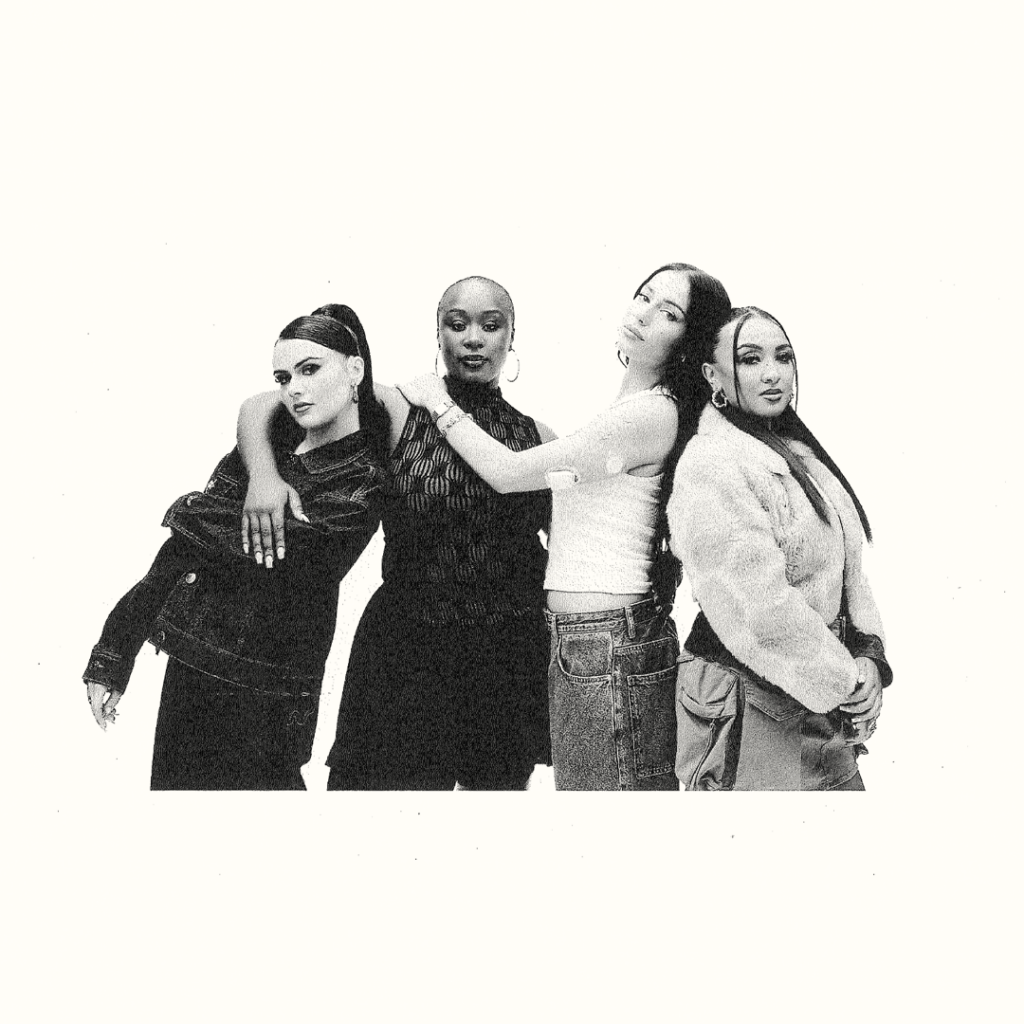
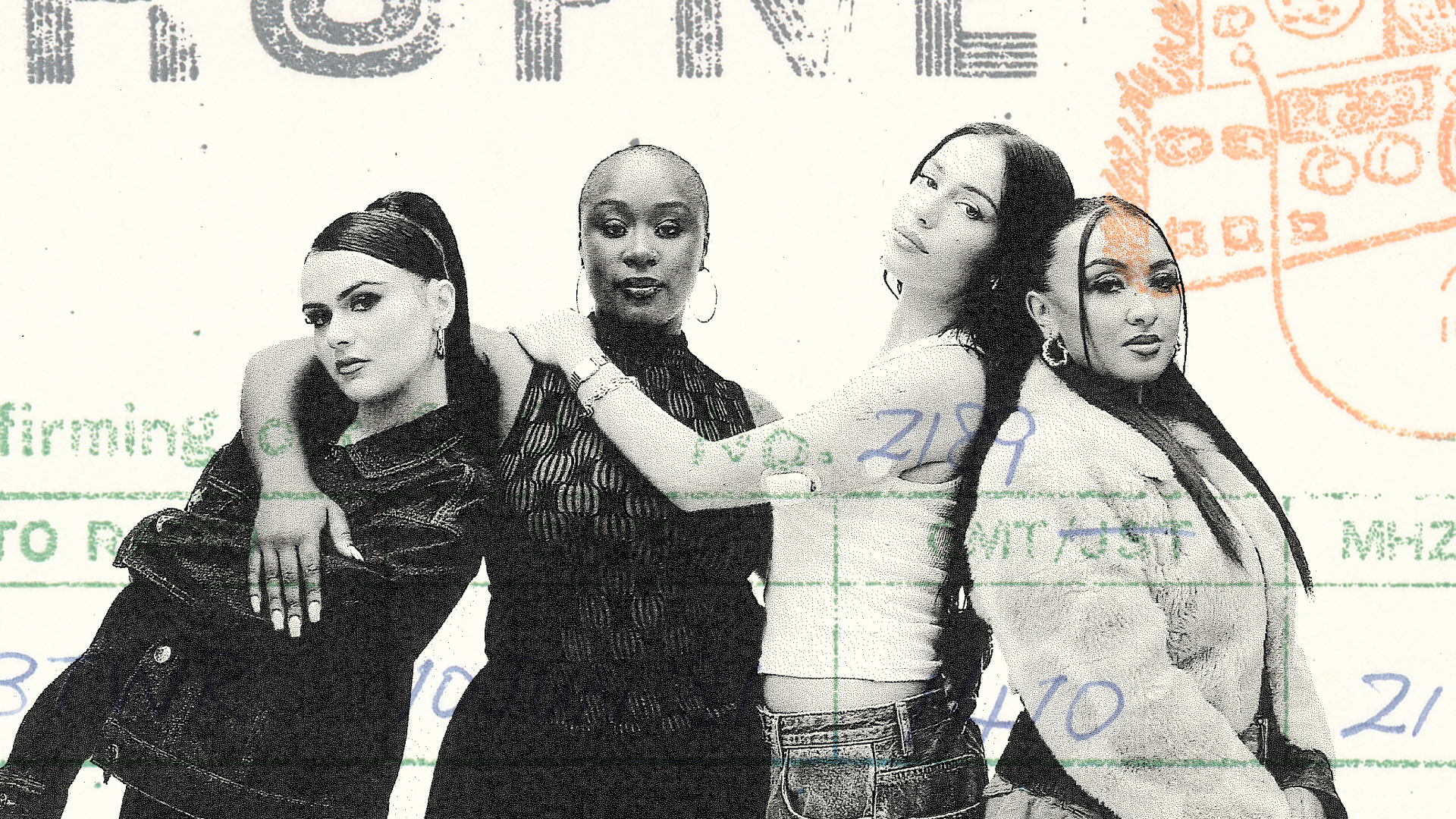
Girls Don’t Sync is proof of the magic that is conjured when people join forces. Made up of Sophia Violet, Hannah Lynch, G33 and Matty Chiabi, this group of musical movers and shakers have become a beacon of strength in numbers. DJs, radio hosts and producers, Girls Don’t Sync bring energy wherever they go. They dig deep into bass-heavy club music built to run dancefloors. They’ve spun everywhere from BBC Radio to Rinse FM and picked up the 2026 DJ Mag Award for Breakthrough Act. But at its heart, the collective strives to be an example.
“Championing women has always been at the forefront of what we do,” the Girls Don’t Sync crew tells Mixcloud. “We’ve been fortunate enough to provide opportunities to our community around the UK and it’s in the Girls Don’t Sync DNA to keep lifting and amplifying the voices who are continuing to shape our scene.” A conduit for creativity and womanhood, Girls Don’t Sync are only five years old and started to reach their pinnacle, becoming indispensable to UK club culture in the process.