

How to be the best DJ
DJing is incredibly creative and rewarding. In this article, we will walk you through the various ways you can become the best DJ you can be.

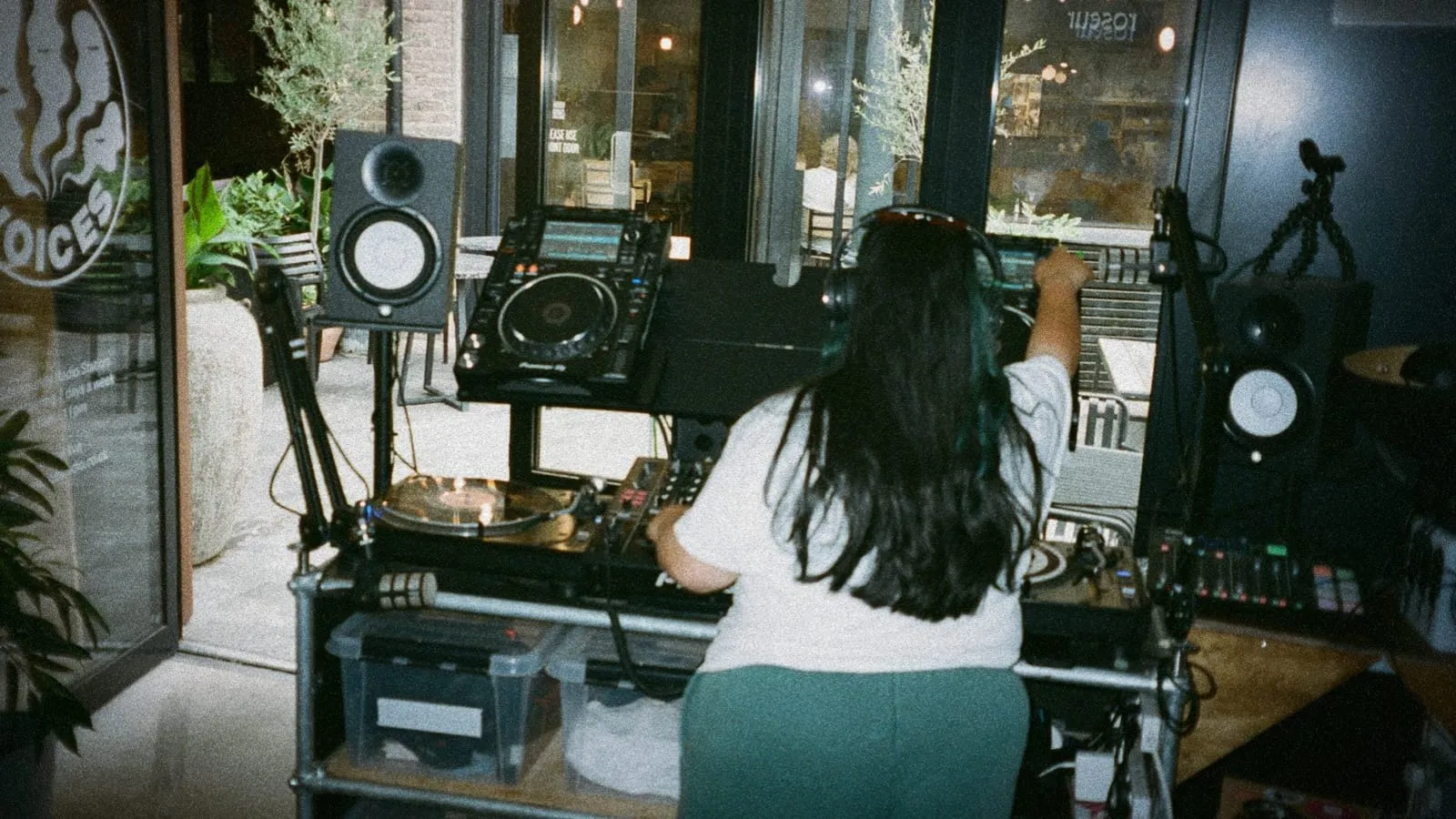
DJing is creative, rewarding and takes hard work. Becoming the best DJ you can be starts with mastering a combination of technical skill, musical knowledge and personal creativity, whether you’re DJing as a hobby or aiming for a career. The thirteen steps below run from defining your style and learning the fundamentals, through practice, sharing your mixes and collaborating, to playing live, finding funding and finding a mentor.

How do you decide what kind of DJ you want to be?
There’s no single route to success, and inspiration comes from many places. Study your favourite DJs and their mixes: note which genres they blend and how they pace a set. Listen to as many mixes as you can so you get a feel for different styles, whether you want to be multi-genre or stick to one sound.
Start building a catalogue of tracks you love and might want to mix, whether that’s Minimal Techno or music of all kinds. Music is one of the most important parts of the journey. Follow your favourite DJs on social media to see what they’re up to.
What are the fundamentals of DJing?
The technical building blocks can seem overwhelming at first, but once you have the basics, the rest flows. Learn music structure and basic techniques: setting the right volume between two tracks, beatmatching, cueing a track, blending with the EQ and using the pitch fader.
Practise counting four beats in a bar while listening to music you might want to mix. Noticing how fast a track runs trains your ear. You’ll get better at all of this as you go, but understanding what each element does before you start gives you a head start.
How do you build confidence as a DJ?
DJing can be daunting, and so can learning. Even established DJs like TAYHDSN have been open about struggling with confidence, so it can happen to anyone. You chose to DJ because you’re passionate about it, and the act of DJing itself can bring you out of your shell, like a cape for your superhero skill.
Don’t suffer in silence: ask for help if you need it, and look for inspiration in everyday life, whether that’s a walk in the park or new music. On the technical side, always record your mixes. Listening back lets you check your transitions and note which tracks blend well, and building on what you do well can supercharge your confidence.
How should you organise and curate your music library?
You can find music online through platforms like Bandcamp, Beatport or Juno, or with a trip to your local record store. Once you have the tracks, sort them in your computer or DJ software (apps like Serato or Rekordbox) so you can make the most of them. Build playlists by genre, mood or mix, so that when you’re ready to practise or play live, your music is easy to reach.
What is conceptual DJ mixing?
With your music sorted, think about the story you want a mix to tell. Many great mixes follow a theme, whether that’s a strictly 1970s funk mix or a dedication to a club or movement. Technical skill matters, but it’s only part of the picture.
Most of your DJ journey is about the music you choose and how you shape a mix: the contrasts you create between two tracks, and your own “sound”. Keep the story in the back of your mind as you play. For guidance on staying power in the craft, look to DJ History curators Bill Brewster and Frank Broughton, experienced DJs with a wealth of knowledge.

How much DJ gear do you need to start?
Only what you can afford. You don’t need to blow your budget on new gear. With options from affordable to top of the range, start with what feels right and level up as you go. That might be a mixer, headphones, earplugs, a controller or even Rekordbox’s desktop app. Whatever it is, it should let you practise as much as possible.
How often should you practise DJing?
Regularly. It’s an old saying, but for something as detailed as DJing, practice is one of the best ways to improve. There’s no right or wrong approach as long as you know the basics, and everyone develops their own techniques for transitions, software and working a crowd. Set aside time daily or weekly, even if it’s only 10 minutes.
Give yourself some grace, too. Confidence takes time, and a consistent routine can help you overcome things like Red Light Syndrome. If you’d like friends or people close to you to hear a mix in confidence, you can share private links to get their feedback.
When and where should you upload your mixes?
When you’ve got the hang of it and feel confident about people hearing your mixes, start building your online catalogue on a platform that puts creators first and where your content won’t be hit by copyright takedowns. We’ve built Mixcloud and our Pro subscription model to enable DJs to tap into millions of music lovers while having your content safe. In essence, you can get as creative as you want on a DJ platform made for you:
- Charts showcase hundreds of newly uploaded shows every week across over 1,000 genres.
- Stats show how each mix is performing, where you’re popular, how long people listen for and who your top listeners are, which can shape what you make next.
- Your profile can carry a polished banner and prominent social links: the window to the shop floor of your content.
- Creator Subscriptions let your most devoted fans pay for exclusive content, and Tips let them show appreciation with one-off payments, so you can earn from DJing as you develop.
For inspiration on how established DJs use the platform, look at John Digweed and Greg Wilson.
How do you engage with your DJ community?
Building close relationships with your audience is a skill every DJ needs. Use social media to promote mixes and make people feel part of your journey. Tell them when something new is coming, ask what they want to hear, and gather feedback to see what they like most. That turns listeners into fans invested in your development. Direct-to-fan methods like a newsletter or email help them feel listened to.
Mixcloud Posts lets you communicate with your audience directly, free from social media algorithms, and each Post sends an email to your followers.
How does collaborating with other DJs make you better?
Swapping knowledge with a peer, especially someone further along in their career, lets you skill-share and widen your repertoire, particularly if you go B2B. It also puts you in front of their audience, so you can pick up more listeners, and it grows your network of professionals to learn from. Being part of a DJ community can motivate you to try new things, whether it’s curating a set, running an event or levelling up a performance. It’s easier in a team.

Why should you play live DJ sets?
Once you’re releasing mixes steadily, put your skills to work live. Prioritise what you believe will move the crowd, and the rest follows with practice. Whether it’s a smash hit or a deep cut, the right track can get the party started. Pay attention to the audience in real time, check the energy before you step on stage, and try to find a new angle as you mix.
If live shows become a success, try throwing your own event with like-minded DJs. It might sound scary at first, but you can do it.
Where can DJs find creative funding?
As you progress, you may want funding for equipment, software or professional mentoring. If your application is rejected, try again: ask the funding body for feedback and treat it as a chance to tweak and improve. Share your application with friends and fellow DJs too, since their input could be the difference next time. If you’re UK based, organizations like PRS For Music, Help Musicians and Arts Council England could be very beneficial in helping you take your creativity to the next level. If you live out in North America, try organizations like the BMI Foundation and New Music USA. Or the Tote Board Arts Fund if you’re in Asia.
Should you find a DJ mentor?
If you still want more guidance as you grow, find a peer who’s happy to help, on a technical or a personal level. If you can, prioritise first-hand, in-person advice, which brings a dimension online tutorials sometimes lack. Above all, make sure they’re ready and willing to help.
Why is DJing a marathon, not a sprint?
Because every DJ has peaks and troughs, and a skill like this takes time. Be patient with yourself, because moving at your own pace is ultimately the most rewarding part of the journey.
Frequently asked questions
How do I become a better DJ? Master a combination of technical skill, musical knowledge and personal creativity: learn the fundamentals, practise consistently, record and review your mixes, share them, collaborate and play live.
How long should I practise each day? There’s no fixed amount. Set aside time daily or weekly, even if it’s only 10 minutes, and keep it consistent.
Do I need expensive equipment to start DJing? No. Start with what you can afford and level up as you go. A mixer, headphones, a controller or even Rekordbox’s desktop app are enough to practise on.
How do I get over a lack of confidence as a DJ? Record your mixes and listen back to the parts that work, ask for help, share private links with trusted friends for feedback, and remember even established DJs struggle with confidence.
Where can DJs find funding? In the UK, organisations like PRS For Music, Help Musicians and Arts Council England; in North America, the BMI Foundation and New Music USA; in Asia, the Tote Board Arts Fund.
Do I need a DJ mentor? Not necessarily, but a willing peer can offer technical and personal guidance, and in-person advice adds something online tutorials can lack.
Key takeaways
- Define your style by studying DJs you admire and listening widely.
- Learn the fundamentals first: volume matching, beatmatching, cueing, EQ blending and the pitch fader.
- Record your mixes and listen back to build confidence.
- Organise your library by genre and mood, and give each mix a story.
- Start with gear you can afford, and practise consistently, even for 10 minutes.
- Share your mixes on a platform that puts creators first, and engage directly with your audience.
- Collaborate, play live, apply for funding, and find a mentor.
- Be patient: it’s a marathon, not a sprint.

Yemi is Mixcloud's Editorial Lead. He has written about music and culture for over a decade, spanning nightlife, business and more for The Guardian, VICE, The Face, Pitchfork, Dazed, i-D and more.