


If you DJ on CDJs, you will have come across one of the most controversial features in modern DJing: the sync button. For some, it’s a lifesaver. A piece of technology that allows you to focus on your track selection. For others, it represents the erosion of a craft built on patience, rhythm and years of practice.
The sync button can unlock creativity and enable more complicated performances, especially if you’re an open format DJ. But relying on it too heavily can also limit your development and connection to the music.
This is why the sync button is both a gift and a curse for DJs.
DJing has always been a balance between technology and technique. Turntables replaced reel-to-reel systems. CDJs replaced vinyl in many clubs. Each technological shift sparked debates about what counts as ‘real’ DJing.
The sync button is the latest chapter in that story. At its simplest, it automatically matches the tempo (BPM) and beat grid of two tracks. It’s found on CDJs and other digital DJ software such as Rekordbox. Pressing the sync button tells one track to follow the tempo of another. The result is that both tracks stay perfectly aligned without manual beatmatching.
Before this technology existed, DJs had to do this by ear. They would listen to two tracks simultaneously in their headphones, adjust the pitch fader and gently nudge the jog wheel until the rhythms locked together. Beatmatching was a skill that required patience, musical understanding and hours of practice. Many DJs still do manually beatmatch, but the sync button has thoroughly expedited this process.

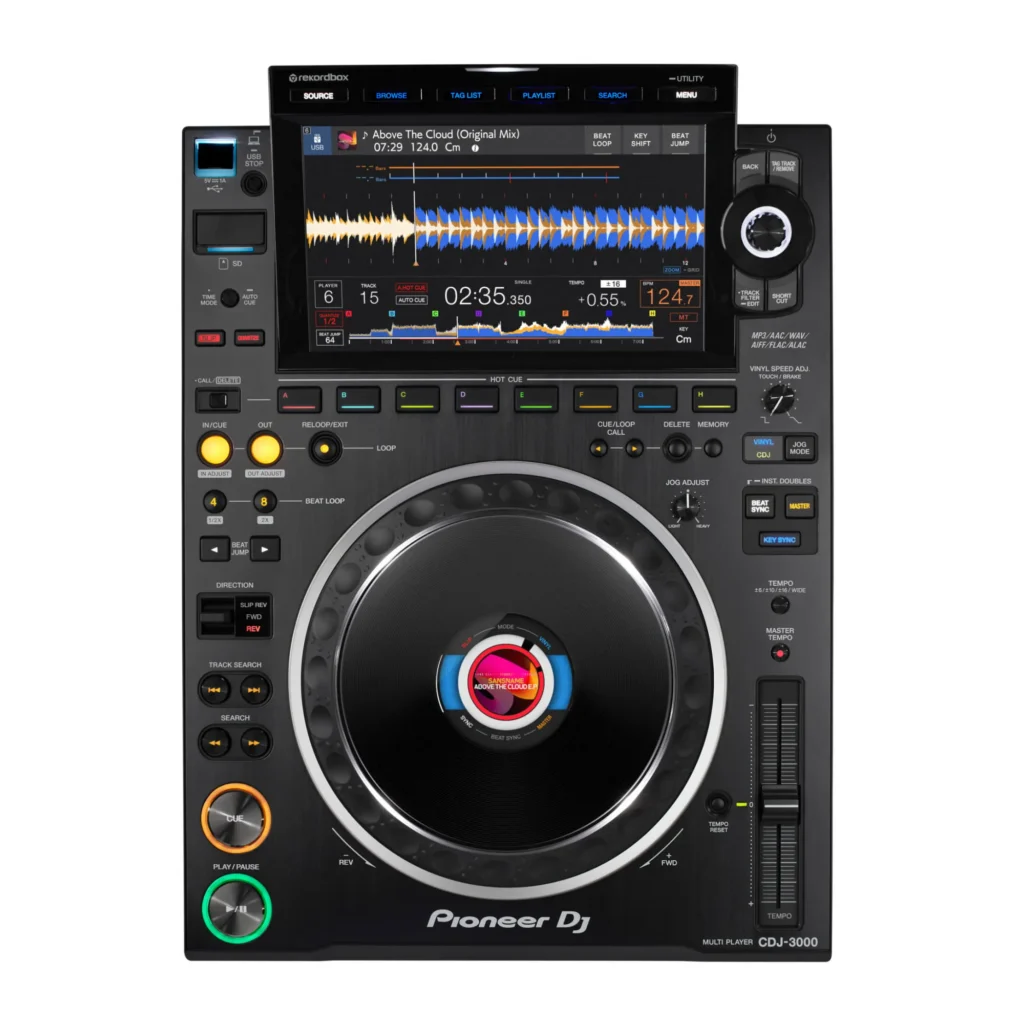
For many modern DJs, the sync button can open creative possibilities that were previously difficult to achieve. When tempo matching is automated, DJs can spend more time focusing on:
- Track selection
- Layering multiple tracks
- Looping and remixing
- Using effects creatively
- Building complex transitions
For genres such as House and Techno, where long blends and layered percussion are common, the sync button can allow DJs to treat the decks more like instruments. It also lowers the barrier to entry for new DJs. Someone who is just starting out can quickly focus on understanding phrasing, energy and storytelling, rather than getting stuck on the technical side of beatmatching.
In this sense, the sync button democratizes DJing. The barrier for entry is lowered, and more people who have even the smallest interest in DJing can experiment. As a result, more people can discover the joy of controlling a dance floor. As cultural commentator Elijah once said, “If you love music, you should learn how to DJ.” But the best way to use the sync button is to treat it like a shortcut, not a substitute for skill.
Despite its advantages, the problem with the sync button appears when DJs rely on it before they truly understand how mixing works. Technology is only as reliable as the information it receives. Beat grids can be wrong. Tracks can drift. Some music — especially older records or live recordings — doesn’t sit perfectly on a digital grid. That’s what made J Dilla’s slightly off-kilter production techniques so revolutionary in the 1990s and 2000s, but I digress.
When the sync button fails, DJs who’ve not learned to beatmatch manually are more likely to struggle with their sets thereafter. More importantly, skipping the fundamentals of beatmatching can weaken a DJ’s musical instincts. You almost go through your DJ career without a true grasp of the what and how of mixing. Crucial education, both when you’re doing a set and when you’re not, will be missing and your skills may stagnate.
Manual beatmatching trains your ears in ways that technology cannot, because:
- You learn to hear subtle tempo differences
- You develop a stronger sense of rhythm
- You become more sensitive to groove and timing
These are the same instincts that allow experienced DJs to react instinctively in a club environment. It’s likely that all of your favourite DJs have mastered the art of beatmatching and are much better selectors for it. They understand the chapters of the stories they’re trying to tell through their sets and the music they play. Without those skills, mixing can become mechanical, and the benefits of the sync button will soon run dry.
A big part of learning to DJ properly is listening deeply to music. When you beatmatch manually, you develop a stronger musical awareness. You begin to anticipate drops, recognise phrasing patterns and feel when a transition is working. Pressing the sync button skips this process. It removes the need to listen as carefully. That’s why many experienced DJs recommend learning the fundamentals first, even if you plan to use sync later.
Even many experienced DJs use the sync button occasionally. In certain situations, it’s simply the most practical tool available, such as when you’re:
- Mixing three or four decks simultaneously
- Performing live mashups or edits
- Managing complex loops and effects
- Playing fast-paced sets with rapid transitions
In these cases, the sync button allows DJs to focus on controlling the energy of the room as effectively as possible.
A real question DJs should ask themselves
The debate around the sync button often becomes part of a wider discourse around the merits of technology in music. But the real issue isn’t technology; it’s intention. Are you using the tool to expand your creativity? Or are you using it to avoid learning the craft? The best DJs tend to understand the mechanics of mixing deeply enough that they can choose when technology helps, and when it gets in the way.
The sync button isn’t the enemy of DJing. Used thoughtfully, it can be a powerful creative tool. But the art of DJing has always been built on listening, patience and practice. Learning to beatmatch by ear might take longer, but it will help you in the long run. That deeper connection to rhythm and timing is what separates DJs who simply play tracks from those who tell incredible musical stories. Once you understand that craft, the sync button stops being a shortcut. It becomes just another tool in the box.