


There’s a moment in a DJ’s life when the night starts calling in a different way. Not as a booking to chase, or a booth to earn your way into, but as something you want to build with your own hands. A room shaped by your sound, your instincts, your community. Planning and securing your own live DJ event isn’t just logistics. It’s curation, storytelling and quiet determination. Here’s how you can plan a live DJ event.
Contents
- 0.1 Start with a concept that holds meaning
- 0.2 Understand the audience you’re speaking to
- 0.3 Craft a budget that balances vision and practicality
- 0.4 Choose a venue that feels like home for the night
- 0.5 Build a lineup that holds the night together
- 0.6 Plan the logistics with creativity and safety at the centre
- 0.7 Build a visual identity that reflects the sound
- 0.8 Set up ticketing that feels seamless
- 0.9 On the night: Hold the room with care
- 0.10 After the event: reflect and build the legacy
- 0.11 Intention, structure and imagination
- 1 Share this:
Start with a concept that holds meaning
Every event is born from a spark. A feeling, a thought, a cultural itch that hasn’t been scratched. Maybe it’s the desire to create a softer room in a city obsessed with intensity, like a Club Soft or Big Blanket Super Picnic. Or giving a niche sound the dignity of a proper system like a Moonshine. Maybe it’s simply about gathering people who don’t often find each other.
To plan a live DJ event, your concept doesn’t have to be grand. It just has to be true to you, your tastes and the community you’ve built throughout your career. Ask yourself questions like:
- What feeling should people carry with them when they leave?
- What atmosphere are you protecting?
- What does the night respond to in the wider scene?
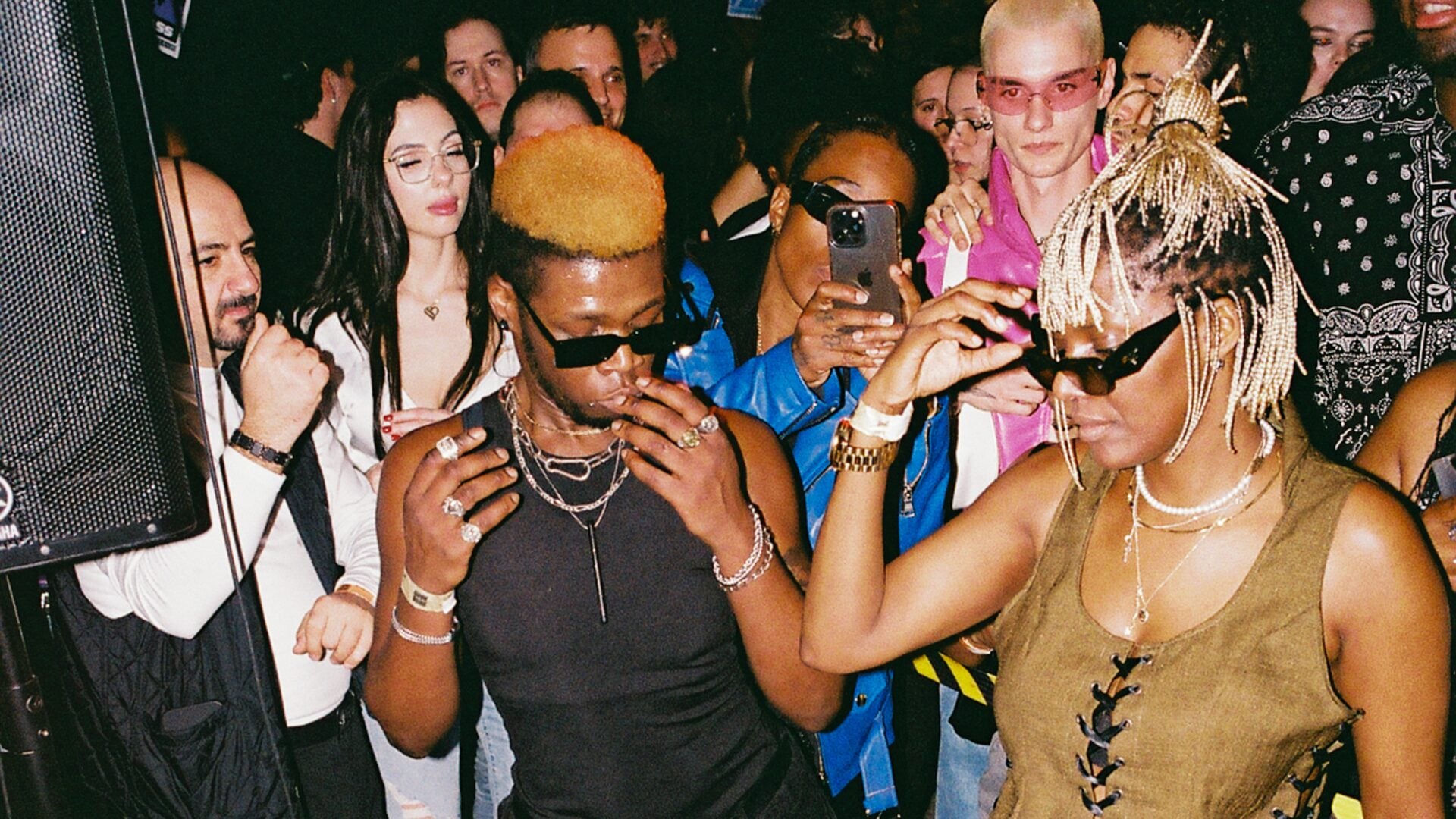
Whether you want to put on a sober rave or a game night, a solid concept becomes the compass for every decision that follows. It will serve as your north star and, if things become too heavy, you can always refer back to the concept. That original intention behind your event. Moonshine is a Montreal-based creative collective weaving together music from across the African continent with global club music to create nights of unity and respect for the world around them. “We felt that Montreal’s nightlife didn’t have a lot of Afro-diasporic representation, visibly or sonically, even though African music was bubbling beneath the surface,” the crew tells Mixcloud. “At our core, Moonshine is about reclaiming space and creating a world where our cultures can thrive unapologetically.”
Understand the audience you’re speaking to
Good events speak in a frequency their community can hear. Think about the people who gravitate toward your sets. The dancers who like to arrive early. Listeners who appreciate depth over hype. The wanderers who discover their favourite DJs at unexpected parties.
Understanding your audience helps you make better choices about planning a live DJ event. The artwork you use to promote the event, the format of the party and the time you open the doors. Culture is just people — know who yours are.
Craft a budget that balances vision and practicality
Money shapes space. Not in a crass way, but in a grounding way. So before you start planning, write out what your event truly needs. Things like:
- Venue hire
- Sound system and lighting
- Fees for DJs and collaborators
- Marketing, posters and visual design
- Door staff, security, photographer
- Any required insurance or licensing
Then list what might sustain it. Things like ticket sales, partnerships with small local brands or community support. Find your break-even point. It’s the quiet number that keeps your event honest.
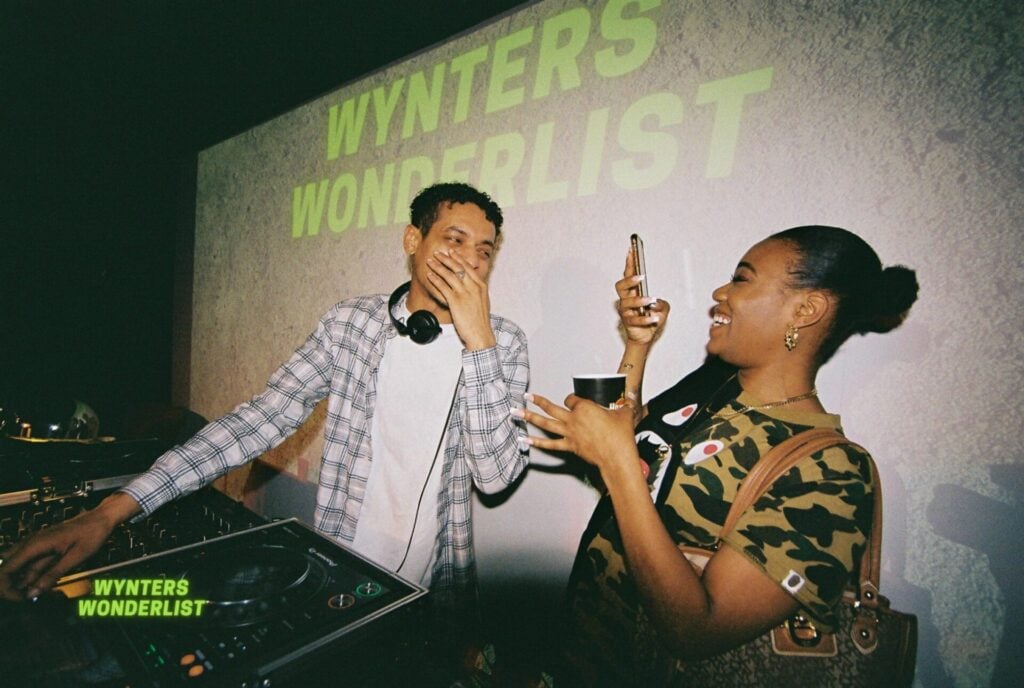
London-based DJ Janelle Wynter threw her first Wynters Wonderlist club night in 2022, an IRL manifestation of her popular mix series on Mixcloud that she conceived during lockdown. She shares the initial stages of planning: “I reached out to a few venues and collaborated with The Hackney Social & Black Eats (Black-owned businesses) which were a perfect fit and feel of what I wanted the first Wynters Wonderlist event to be like. I actually used the Mixcloud series to show venues the concept, since at that point I didn’t have anything else to show, or what any of the previous events were like, since it was the first one.”
Choose a venue that feels like home for the night
Every room has a soul. Some are loud, some are soft, some feel like they’re holding a story before the night even begins. Visit venues with an open mind. Listen to how your footsteps sound. Notice how the light falls. Picture where dancers might gather. Then, think practically about the venue capacity, its equipment, sound limitations, where it’s located and if transport is easy.
When pitching your idea to venues, speak clearly and simply about what the event is, who it will bring in, why the venue is the right space and how you’ll promote it. Venues listen when you speak with care and conviction.
“One of the reasons I chose Hackney Social is because we align on values and support each other,” Wynter shares. “Not all venues have the right feel, and the first event is going to leave everyone with the strongest impression. With that said, the first one might not be perfect and that’s okay, you can fix it next time around.”

Build a lineup that holds the night together
A lineup is a form of storytelling. Even if you’re the only DJ, think about how the night unfolds — the slow, generous warm-up; the moment things sparkle; the gentle landing. If you’re inviting others, choose DJs who complement the concept. But also think about energy flow, not just the biggest names. A night’s true power lies in the curation and the stories being told, rather than starpower. Before the event, communicate clearly about timings and fees so everything is clear to them.
A good lineup feels like different voices speaking in harmony. Wynter shares her process behind curating her line up: “I wanted only up-and-coming and unsigned artists. Also, good people who would uplift the community. Like, you have to be a good person as well as having good music. I don’t care if your music is outstanding, good vibes only.
I listened back to all the Wynters Wonderlist mixes, chose my top favorite tracks and reached out to the artists to ask if they’d like to be part of the show. They could perform any song they wanted as long as they performed the song that was on one of the tapes, plus whatever else they wanted. So I gave them each 15 minutes. I made sure everyone got paid. That’s one thing with my brands: I make sure nobody does anything for free. Even if it’s a little piece of change, travel expenses, food, or drink, it makes a big difference.”
Plan the logistics with creativity and safety at the centre
The most poetic nights are carried by the most practical planning. Create a simple run sheet that includes load-in, soundcheck, doors opening to the public, DJ set times and the close and load-out times. Confirm travel plans and prepare backups. Make sure everyone knows where they need to be and when. Logistics are the invisible architecture holding everything in place.
“I’d say the most challenging aspect [of planning the event] was logistics and how they ran,” Wynter says. “Making sure everything ran smoothly. Down to all the artists, photographers, DJs, etc. To me, the most rewarding part was everyone had an amazing time, all the artists were able to leave feeling good, appreciated and inspired.”
Culture grows strongest where people feel safe and seen. So in the planning stages, it’s crucial to think about venue accessibility and capacity, crowd wellbeing and ways to keep the energy healthy. Care is part of the craft.
Build a visual identity that reflects the sound
Branding isn’t about aesthetics for their own sake. It’s about signalling the world you’re creating. Let the artwork reflect the music. Whether its soft tones for listening, bold shapes for dance-led nights, archival textures for culturally rooted events or minimalist design for intimate gatherings. You can really stop people in their tracks with branding that will entice them to attend.
Once you have artwork ready, promote with intention on Instagram, TikTok, posters, listings and short mixes or playlists. Show what the night feels like, not just what it is. In the lead up to her event, Wynter created bespoke artwork for each of her Wynters Wonderlist mixes, transferring them to physical format when promoting her event. “I would make the artwork and then upload it to Mixcloud and Instagram,” she remembers. “From there I was focused on growing the community and listeners.”
Set up ticketing that feels seamless
Whether you use Resident Advisor, DICE, Eventbrite, Skiddle or another platform, keep things simple. Use ticket tiers to build momentum; things like pre-sale and first, second and third rounds of sales. Keep the guestlist respectful and controlled so that ticket buyers stand a chance of getting into the venue. Then, make buying a ticket quick and intuitive via the platform you use. People decide within moments, so remove friction that may stop them from buying a ticket.
On the night: Hold the room with care
When the night arrives, trust your preparation. Get there early. Feel the room. Test the system. Greet your DJs. Make sure the door feels welcoming, not chaotic. Once the music starts, let the night unfold. Watch how people move. Adjust if the room needs something softer, deeper or brighter. A DJ doesn’t just play music — they guide the collective mood.
After the event: reflect and build the legacy
The morning after is part of the ritual. Share photos while the memory is still warm. Thank your dancers, your venue and your lineup. Archive the best moments so the night becomes part of your story. If you recorded the sets from the night, consider putting them up on Mixcloud. That way, those who couldn’t attend can check out what they missed. Those recordings will also serve as a capsule and a sign of your accomplishment, so you can relive the success and the memories created. Then reflect in a way that’s honest. Ask yourself what felt electric, what surprised you and what might need refining next time. A good event doesn’t end, it evolves.
Intention, structure and imagination
Planning and securing your own live event is one of the most meaningful things you can do as a DJ. It’s more than a night out; it’s cultural authorship. You create a space that didn’t exist before, a small universe shaped by your sound, your values, your community. With intention, structure and imagination, your event becomes more than a booking. It becomes a voice, a perspective and a contribution to the culture you love.